

|
| Image credit: Sandra Plummer Collection at the Fort Worth Library's Digital Archive. |

18 February 2018
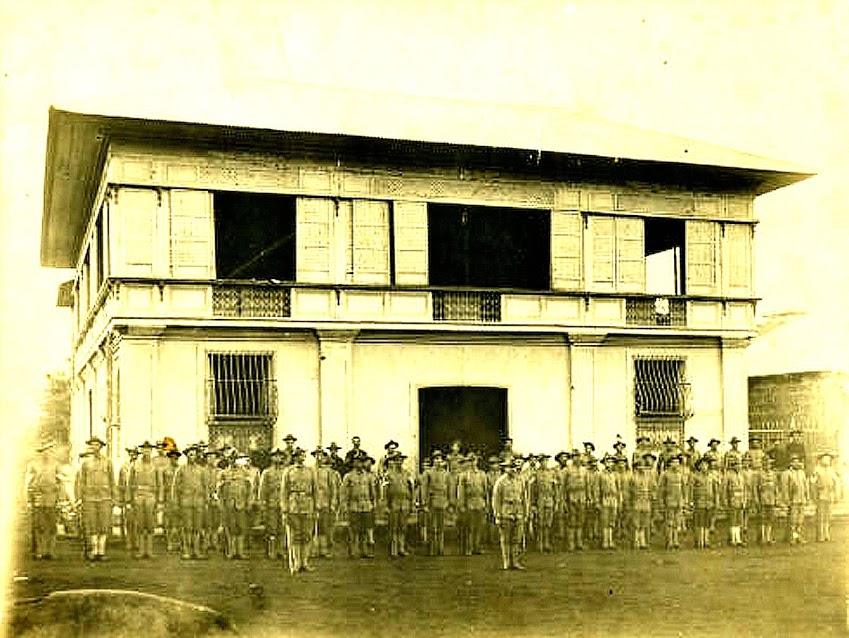
The US Army 28th Infantry Regiment in Batangas in 1900 and their Operations in Taal, Lemery, Calaca and Nasugbu
16 February 2018
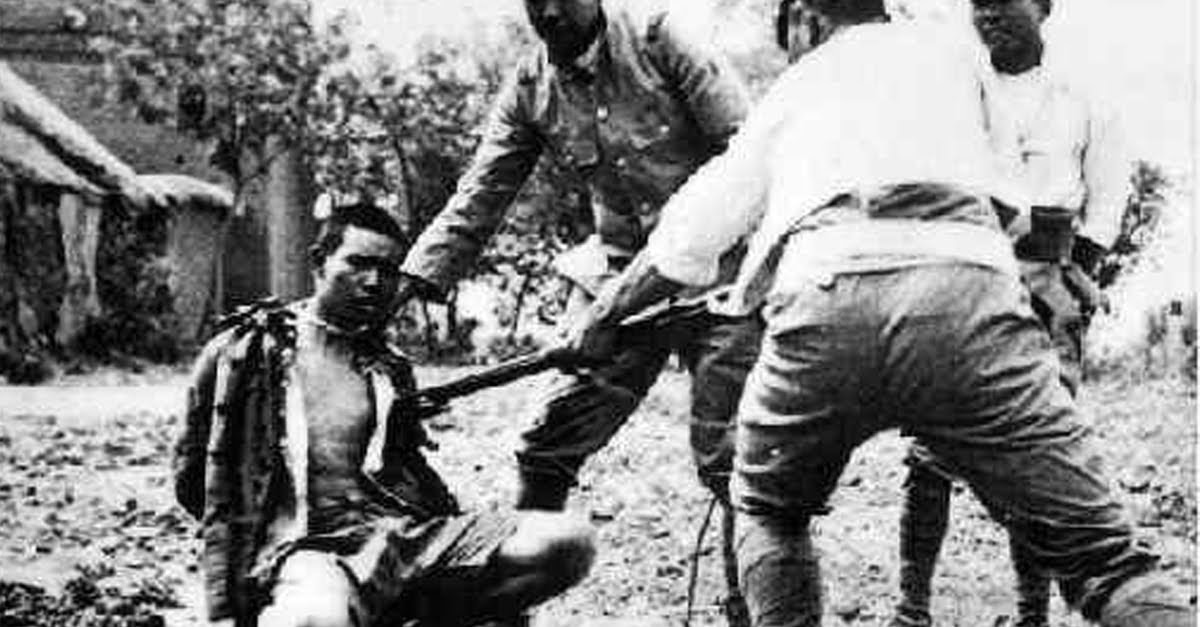
The Case of the Makapili in Tanauan and the Heroic Dr. Brigido Carandang
|
| Image source: DawnHoneyMae. |
13 February 2018
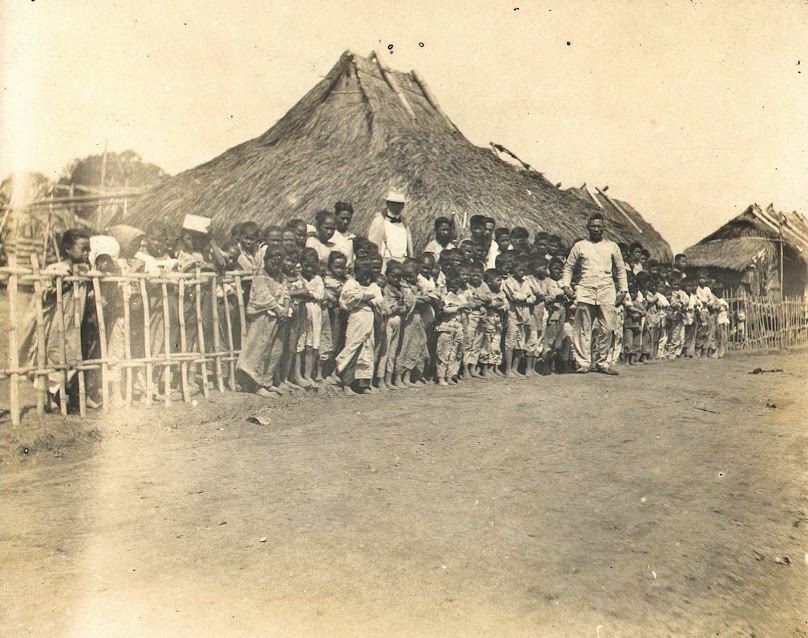
19th Century Tanauan, Batangas as Described by a Spanish Historian
|
| School-children in Tanauan during the American colonial era. Image credit: University of Michigan Digital Collections. |
To All Graduates of DLSL… From Your Former Teachers

|
| DLSL teachers during commencement exercises late 70s or early 80s. |
09 February 2018
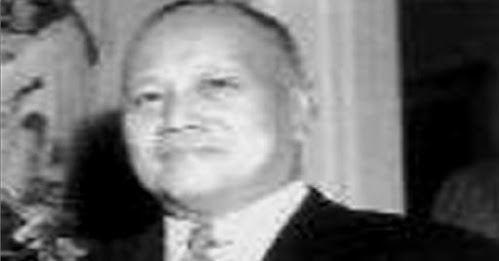
Antonio de las Alas, the Outstanding Taal-born Public Servant of the American Colonial Era
|
| Antonio de las Alas, a great Taaleño. Image source: TaalPH. |
07 February 2018
Ibaan, Batangas: Historical and Folkloric Notes about its Barrios
|
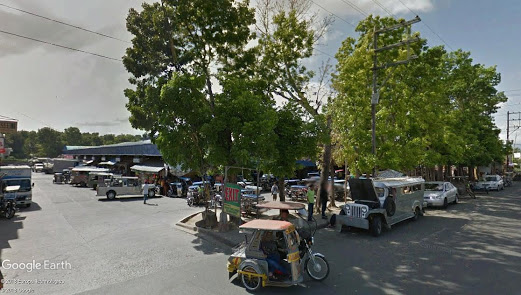
| The Ibaan Public Market. Image credit: Google Earth Street View. |
Of the barrio documents archived at the National Library of the Philippines Digital Collections, the most complete was the collection for the town of Ibaan. All the barrios of the town are included, including one – Sangang Daan – which is not even listed among the present day barrios of Ibaan.
Bago
According to local historians, Bago got its name from the “bago” plants which used to grow “luxuriantly in this locality.” They were probably referring to the “malabago” or the sea rosemallow1, alternatively called “bago” in Tagalog. The barrio’s earliest inhabitants were the Andal, Perez and Gamboa families. Another barrio, named Quilo, was once part of Bago. In 1945, Japanese soldiers forced all able-bodied men of the barrio to dig trenches at Soro-soro hill without pay. These trenches would be part of their defenses against the US Army. The Japanese also confiscated livestock and poultry from the barrio’s inhabitants.
Source: History and Cultural Life of the Barrio Bago
Balanga
This barrio used to be called Pook (place) because the houses were “grouped together in sections.” It was officially founded as early as 1832. During the early part of the Japanese occupation, municipal officials of Ibaan all evacuated to this barrio and tried to perform their local government functions from there. Balanga’s earliest barrio lieutenants were Juan Comia, Anastacio Semira, Patricio Semira, Lumbanio Semira, Juan Evangelista, Cepriano Semira, Telesforo Semira, Agino Atienza, Leoncio Semira, Juan Villanueva, Anastacio de Castro, Santos de Castro and Andres Abaday.
Source: History and Cultural Life of the Barrio of Balanga
Calamias
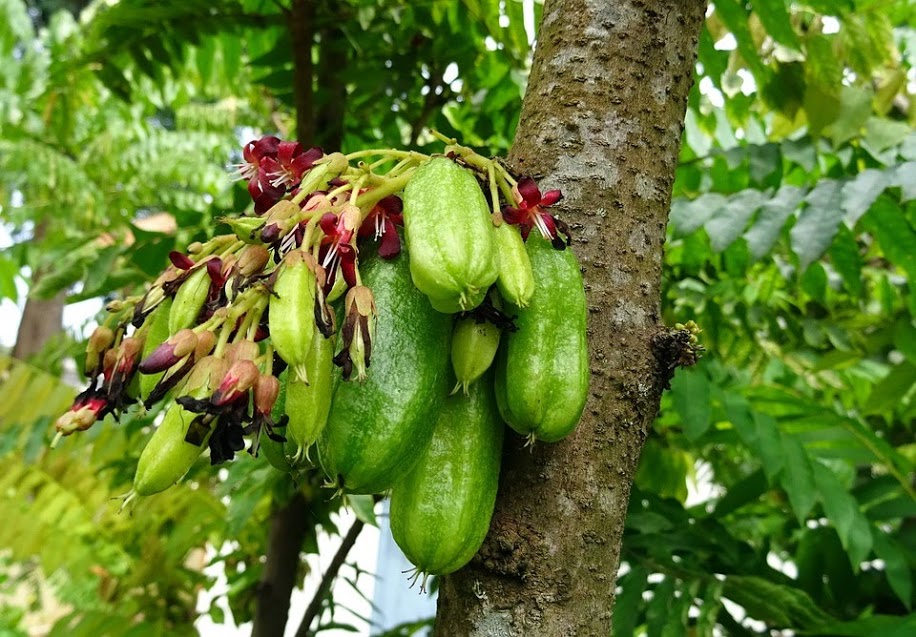
Calamias used to be loosely called Putol because a road ran across it as through cutting it into two parts. The barrio was later renamed Calamias because its earliest settlers noticed an abundance of bilimbi trees growing in the area. It was officially established as barrio in the middle of the nineteenth century. The original settlers in Calamias were the Macatangay, Rabino and Ramos families. During the Spanish era, the Guardia Civil kept something of a concentration camp in the barrio to separate bandits or tulisanes from ordinary folks.
Source: History and Cultural Life of the Barrio Calamias
|
| Calamias was named after the Bilimbi tree, also called Kamias in Tagalog. Image credit: Max Pixel. |
Because getting to this barrio used to be so difficult, particularly in crossing the Malaking Ilog River, travelers who went there often reluctant to return or, in Tagalog, “nadadala.” The barrio’s original settlers were the Repollo and Piñero families. During the Japanese occupation of the Philippines, because of its remoteness, the barrio hosted evacuees from Poblacion Ibaan and the towns of Lipa and Batangas.
Source: History and Cultural Life of the Barrio Catandala
Coliat
Coliat was supposed to have been named after a vine which grew abundantly in the area. This vine bore a fruit similar to the lanzones. I am, however, unable to find any references about this supposed vine over the Internet. The barrio was supposed to have been established early in the eighteenth century2. Its original settlers were the Añonuevo and Perez families. As was the case also in Calamias, the Guardia Civil also set up something of a concentration camp in Coliat to separate barrio folks from the brigands or “tulisanes” as they were called. The barrio also hosted evacuees from the towns of Batangas, Lipa and Rosario during World War II.
Source: History and Cultural Life of the Barrio of Coliat
Dayapan
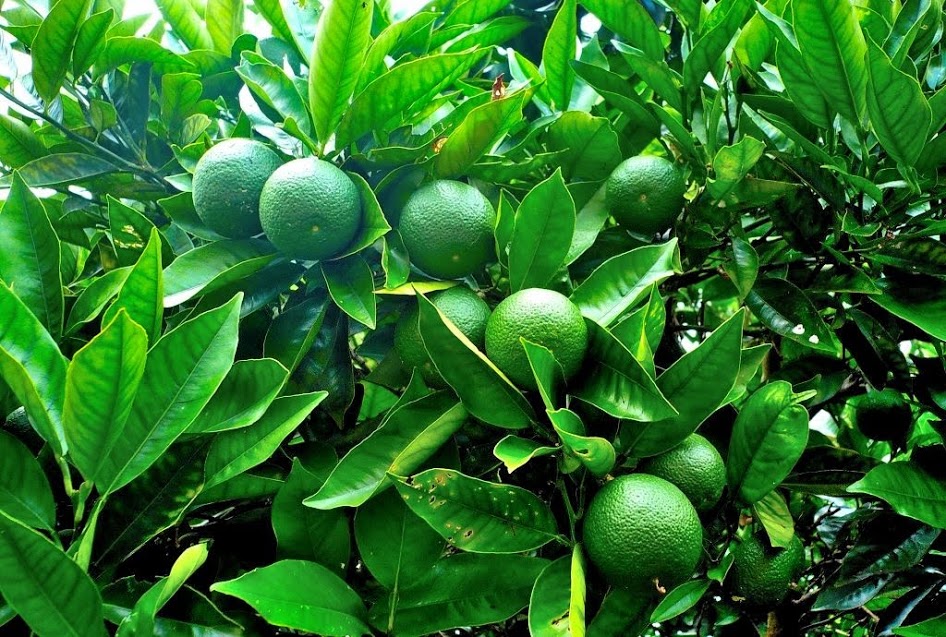
This barrio was established in 1708 and its name was supposed to have been given from the dayap or lime which presumably grew in abundance in the area. Its original inhabitants were the Torralba, Semira, Mendoza, Rena, Saez, Dimaano, de Castro and Villanueva families. Like other barrios in Ibaan, Dayapan also served as an evacuation place during World War II.
Source: History and Cultural Life of the Barrio Dayapan
|
| Dayapan was supposed to have been named after the dayap or lime. Image credit: Philippine Medicinal Plants. |
This barrio is named after the chieftain in Cebu to whom the killing of Magellan is generally – if erroneously3 – attributed. Its original settlers were the Guerra, Magnaye, Patulot, Caringal and de Castro families. In late 1901, people of the barrio – like everyone else in the province – were ordered to live in concentration camps upon orders by the US Army. There were those in Lapu-lapu who refused and continued to hide. These were sought out by the Americans and shot. In World War II, inhabitants of the barrio caught in possession of propaganda leaflets dropped by American planes were killed and their houses burned.
Source: History and Cultural Life of the Barrio of Lapu-lapu
Lucsuhin
Lucsuhin was established in 1708 and its name is taken from the Tagalog “lukso” or jump. The source document, however, failed to say why. The barrio’s original settlers were the Saez, Bago, Panganiban, Roxas, de Castro and Tila families. Its earliest barrio lieutenants were Pedro Saez, Juan Manalo, Elpidio de Castro, Crispin Barbosa, Nicanor Perez, Martin Sarmiento, Iluminado Ilao, Hugo Panganiban, Timoteo Madlangbayan and Jesus Bago. The barrio was one of the barrios of Ibaan which served as an evacuation center for refugees fleeing Japanese control in World War II.
Source: History and Cultural Life of the Barrio Lucsuhin
Mabalor
The document on Mabalor was poorly researched and gave little historical information. The barrio’s original settlers were the Panganiban, Portugal, Repollo, Gomez and Bicol families. The earliest barrio lieutenants were Braulio Panganiban, Victorino Rabano, Gavino Rosaria, Juan Gomez, Jose Gomez, Roberto Repollo, Rafael Portugal, Victorino Rosaria, Geronimo Bicol, Juan Rosario, Roberto Repollo, Ciriaco Alido, Roque Rabano, Vicente Rosaria, Telesforo Gomez and Leoncio Repollo.
Source: History and Cultural Life of the Barrio Mabalor
Malainin
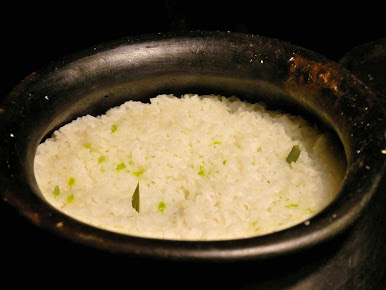
This barrio’s was supposed to have been derived from the Tagalog phrase “mala in-in,” meaning “not well-cooked.” This probably referred to undercooked rice. The barrio’s earliest settlers were the Magnaye, Guerra, Pansoy and Pasia families. Farming was the chief preoccupation of the barrio’s inhabitants and sugarcane was the primary crop. During the Japanese occupation, people of the barrio suffered from food shortage and punishments doled out by the occupying soldiers. Many houses in the barrio were also burned. Travel became difficult after the destruction of the Malainin Bridge.
Source: History and Cultural Life of the Barrio Malainin
|
| Malainin was probably named after under-cooked rice. Image credit: Steemit. |
A brook which ran through this barrio used to have white “star-like flowers” and it was after these that the barrio got its name, star being “tala” in Tagalog. The barrio was founded in 1800 and its earliest settlers were the Llana, Caringal, Yabyabin, Patena, Lopez and Ilagan families. Its earliest barrio lieutenants were Antonino Yabyabin, Juan Yabyabin, Santiago Manalo, Jose Mercado, Santiago Hernandez, Felipe Magnaye and Marciano Yabyabin.
Source: History and Cultural Life of the Barrio Matala
Munting Tubig
The barrio was given the name Munting Tubig supposedly because a small creek served as its boundary. Its original settlers were the Hernandez, Toreja, Sison, Patulot, Acebo and Cabaol families. Early during the American era, soldiers of the US Army rode into the barrio on horses, terrifying some of its inhabitants. Those brave enough to talk to the soldiers soon found out that these were kind people who handed out candies to everyone, especially the children. Like other barrios of Ibaan, Munting Tubig was also an evacuation center for refugees from other towns of Batangas.
Source: History and Cultural Life of the Barrio Munting Tubig
Palindan
There were two folkloric version about how this barrio got its name. The first one said that the pandan or the dwarf screw-pine4 grew abundantly in the area when it was still a wilderness. People referred to the place as “Pandanan,” which over time would become “Palindan.” The second said the name was after a curving road – “paling na daan” in Tagalog – that ran through the barrio. The barrio was established in 1832 and its earliest settlers were the Marino, Guerra and Marasigan families. During the Philippine Revolution, one Alejandro Zaraspe of Palindan joined the Katipunan and served under General Miguel Malvar.
Source: History and Cultural Life of the Barrio Palindan

|
| One folkloric story said that Palindan was named after the pandan. Image credit: Philippine Medicinal Plants. |
This barrio was founded in 1784 in land belonging to another barrio, Matala, before moving to its present location. Its original inhabitants were unruly and often engaged in thievery, castle rustling and abduction. Suspects were punished by chaining them to boards with holes through which their legs were inserted. These were called “panaoan” or, in English, the pillory. The barrio’s original settlers were the Caringal, Cabral, Recio, Real and Ron families.
Source: History and Cultural Life of the Barrio of Pangao
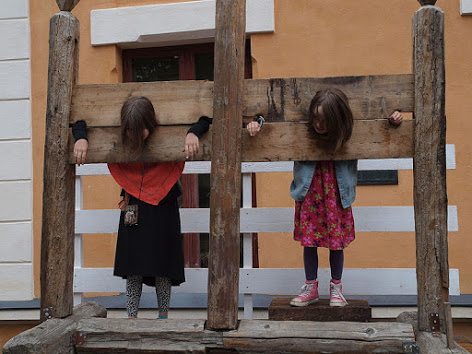
|
| Pangao was named after the panaoan or pillory (above). Image credit: by JIP (Own work) [CC BY-SA 3.0 (https://creativecommons.org/licenses/by-sa/3.0) or GFDL (http://www.gnu.org/copyleft/fdl.html)], via Wikimedia Commons. |
There were two folkloric stories about how this barrio got its name. One said that it was from “haya,” a “heap of harvested or sun-dried palay (rice).” The other said it was from “panghaya,” supposedly the act of preparing to strike with a bolo during a duel. The barrio’s original settlers were the Rabano, Panganiban, Sumagpang and Pasia families. During the Philippine Revolution, some of the barrio’s men joined the Katipunan. In 1901 or 1902, inhabitants of the barrio were forced by the US Army to live in concentration camps. In World War II, Panghayaan was the hideout of a guerilla unit under the command of one Sixto Guerra, supposed to be a famous guerrilla leader.
Source: History and Cultural Life of the Barrio Panghayaan
Quilo
Barrio Quilo used to be called Molino, the name having been given because of a sugar mill in the area. The mill was destroyed by a typhoon in 1926. Its present name Quilo was supposed to have been because of a crooked path in the barrio that people used to get around a crooked tree. The barrio’s earliest settlers were the Perez, Magnaye, Purino, Arceo, Atienza and Soriano families. During the Japanese occupation, inhabitants of the barrio were used as slave labor by the soldiers of the Japanese Imperial Army to dig tunnels.
Source: History and Cultural Life of the Barrio Quilo
Sabang
The word “sabang” was supposed to mean the place where two or more rivers meet. This barrio was established in 1832 and its original settlers were the Caiga, Alvarez and Mendoza families. The old Sabang Bridge was built in 1913, but was blown up during the war. It was rebuilt in 1952 by the United States Rehabilitation Administration. The blowing up of the bridge in 1941 meant that Sabang was inaccessible to troops of the Japanese Imperial Army. The barrio was used as headquarters by guerrillas of the Fil-American Irregular Troops or FAIT.
Source: History and Cultural Life of the Barrio Sabang
Salaban
This barrio’s name means a grill or something over which something is roasted. Its original settlers were the families of Delfino Guerra, Silverio Magtibay, Mariano de Castro and Cayetano de Castro. In World War II, bridges that linked Salaban with Ibaan and San Jose were destroyed by soldiers of the Japanese Imperial Army before they retreated to Mount Makulot.
Source: History and Cultural Life of the Barrio Salaban
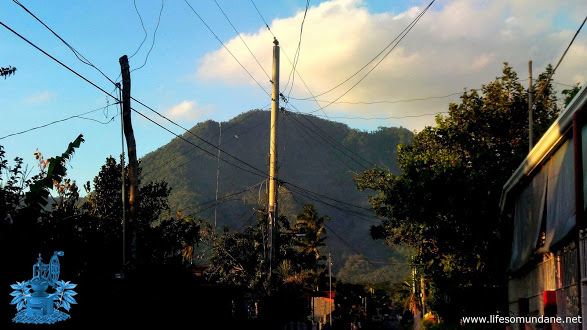
|
| Japanese soldiers destroyed bridges linking Salaban with other towns before retreating to Mount Makulot in Cuenca. |
This barrio used to be part of Munting Tubig, another of Ibaan’s barrios. In the old days, it was typical of villagers to choose as their heads men who were believed to possess “powers,” i.e. those in possession of “anting-antings” or amulets. Among those chosen to become had of Munting Tubig was such a man named Agustin, presumably after whom this barrio was named5. This barrio was established in 1862 and its original settlers were the Portus, Dalisay and Magnaye families. In World War II, the barrio was raided by soldiers of the Japanese Imperial Army. Many of the barrio’s men were killed and buried near the toilet of the barrio’s school. In 1949, the barrio was placed under military control by the Philippine Constabulary because some of its inhabitants were under suspicion of involvement with the communist Hukbalahap movement.
Source: History and Cultural Life of the Barrio San Agustin
Sandalan
Sandalan used to be called “Balindis,” which means diagonal in English. The name was supposedly given because the street which runs through the barrio “runs diagonally with the rising sun.” Regrettably, the source document failed to explain the etymology of Sandalan. The barrio was founded in 1832 and it had 48 families in all. During the early part of the Japanese occupation, Sandalan was momentarily the seat of the Provincial Government. Provincial officials evacuated to the barrio and held office in one of the houses there.
Source: History and Cultural Life of the Barrio Sandalan
Sangang Daan
Sangang Daan used to be called Lumang Karsada. It was founded in 1861 and its original settlers were the Portus, Patena, Dalisay and Dalig families. During the Spanish regime, inhabitants of the barrio were being roused to join the revolution by one Nicolas San Agustin, whose call was not heeded. In World War II, soldiers of the Japanese Imperial Army burned houses in the barrio and killed many innocent inhabitants. In the present day, there is no barangay in Ibaan called Sangang Daan, so either this barrio has been absorbed by another barrio or placed under the administration of another town. If anyone from Ibaan who knows the answer, please leave a comment below this article.
Source: History and Cultural Life of the Barrio Sangang Daan
Santo Niño
This barrio was so named after an image of the Infant Jesus that was found upon digging up a tree that could not be cut down using implements that people used. It was founded in 1854 and its original settlers were the Litan, Macatangay, Manalo and Patulot families. During the Spanish era, this barrio was frequently raided by tulisanes or brigands. During the Fil-American War, womenfolk of the barrio were abused by the Macabebe Scouts, who were working with soldiers of the US Army. In World War II, Santo Niño was an evacuation center for people from other towns, particularly Lipa.
Source: History and Cultural Life of the Barrio of Santo Niño
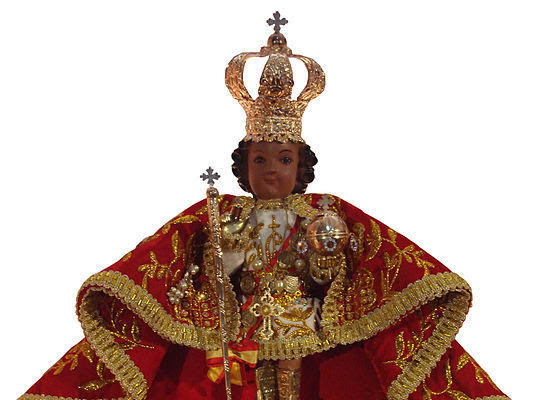
|
| Santo Niño was named after an image of the Infant Jesus dug up near a tree. Image credit: Atlas Obscura. |
The name of this barrio literally in Tagalog means star and bird, although the source document failed to explain why it was given. The barrio’s original settlers were the Maralit, Argente and Manalo families. Unfortunately, the source document for this barrio was poorly researched and contained no other relevant information other than that already mentioned.
Source: History and Cultural Life of the Barrio of Talaibon
Tulay
In the old days, this barrio used to be called Callejon, meaning a small road. This was the road that people used when going to Padre Garcia and San Jose. The name was later changed to Tulay na Patpat (wooden bridge). According to folklore, a Spanish soldier asked a native where he was going. The native not understanding Spanish, he thought he was being asked the name of the bridge. The barrio’s original settlers were the Hernandez, Macaraig and Arellano families. During the Spanish regime, the Guardia Civil also set up a concentration camp in the barrio to separate barrio folks from the brigands. In World War II, evacuees from other towns fled to Tulay to ride out the Japanese occupation.
Source: History and Cultural Life of the Barrio of Tulay
Notes and references:
1 “Malabago,” online at the Philippine Medicinal Plants.
2 In several instances in these so-called barrio histories, authors had erroneously referred to the 1800s as the eighteenth century. The eighteenth century, in fact, was the 1700s. Since this item did not provide any other details, it is not possible to determine if the author was making a mistake.
3 For a more comprehensive review on the death of Magellan, read: “Changing a Misconception about How Magellan Died at the Hands of Lapu-Lapu.”
4 “Pandan-mabango,” online at Philippine Medicinal Plants.
5 There are a few barrios in Batangas the names of which are prefixed with “San” but are in fact named after common men rather than saints.
-----------------------------------------------------------------------------------
If you enjoyed this article, please click the Like button or share it freely on social media. It helps to pay this site's domain name and maintenance costs.
05 February 2018
Finding Barrio Sulok, the Strategic Barrio in WWII Santo Tomas, Batangas

|
| The Japanese Army on its way to Manila. Image credit: Wikipedia. |
04 February 2018
Bauan, Batangas in the 19th Century as Described by a Spanish Historian
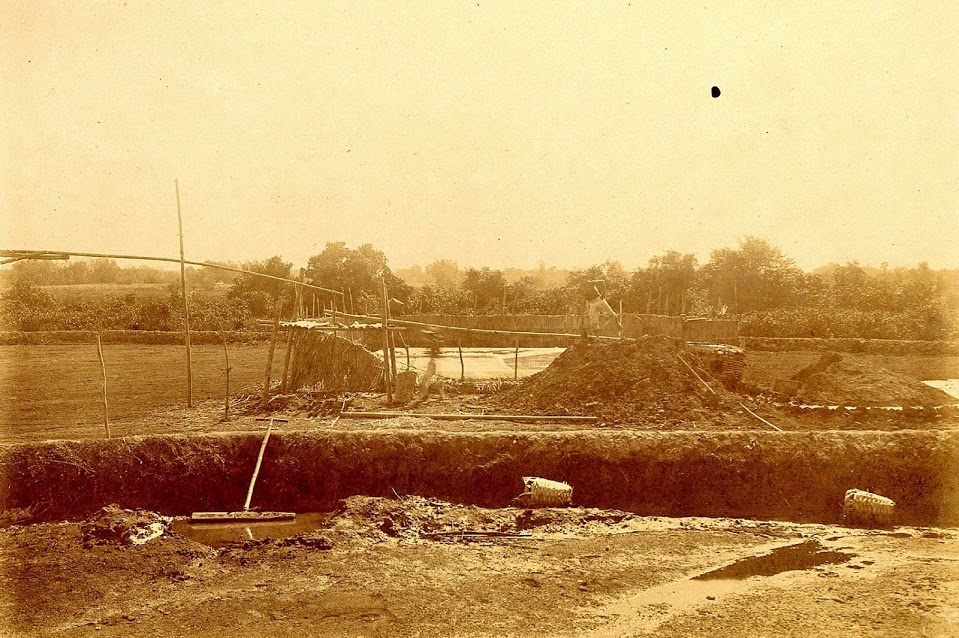
|
| A salt field in Bauan early in the American era. Image credit: University of Michigan Digital Collections. |
03 February 2018
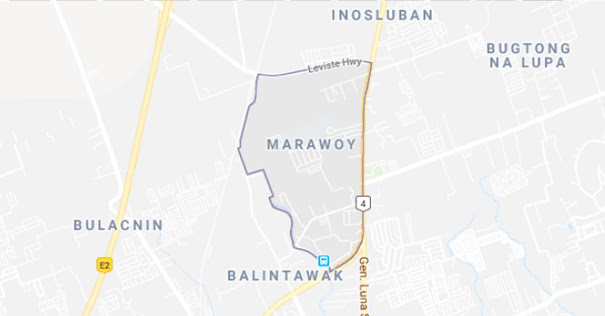
Two Makapilis and the Marauoy, Lipa Massacre by Japanese Soldiers in February 1945
|
| Image credit: Google Maps. |
01 February 2018
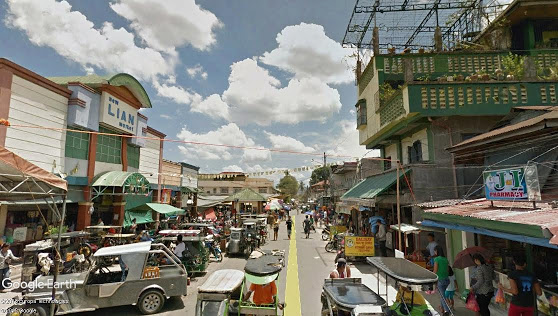
Lian, Batangas: Historic and Folkloric Notes about some of its Barrios
|
| Image credit: Google Earth Street View. |
30 January 2018
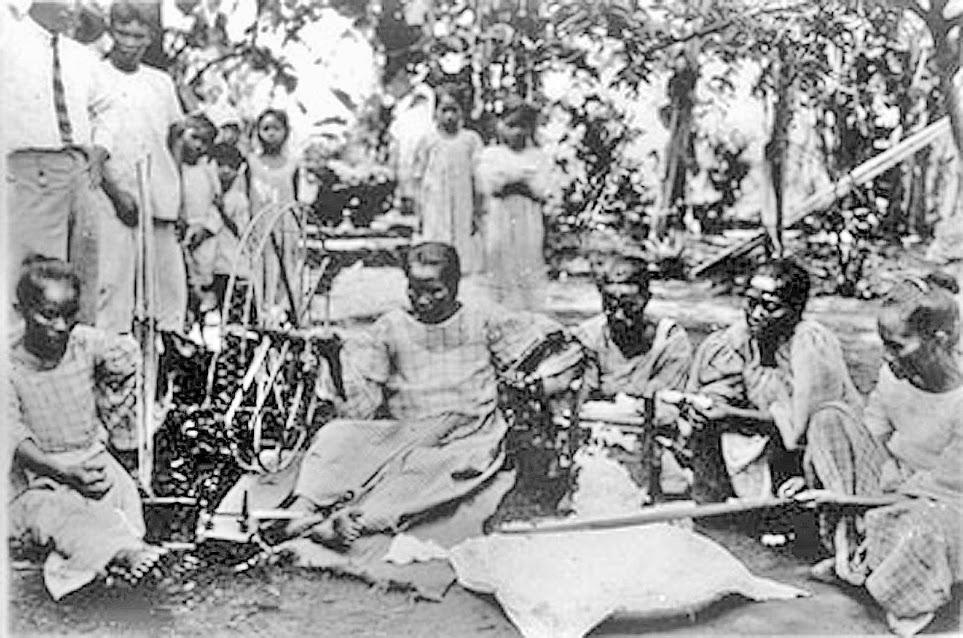
The Economic Roles Women in Batangas played in 1916
|
| Image credit: U.S. National Archives; University of Wisconsin Digital Collections. |
26 January 2018
Know the Most Frequently Used Names among the Barrios of Batangas

|
| A typical barrio scene in Batangas. Image credit: Google Earth Street View. |
25 January 2018
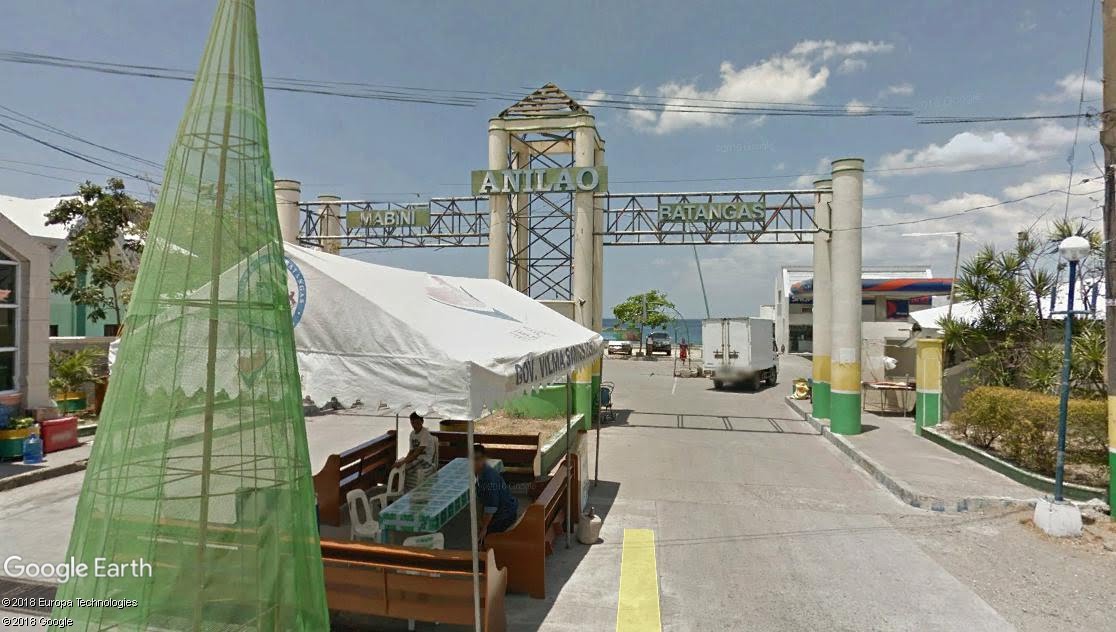
Mabini, Batangas: Historic and Folkloric Notes about some of its Barrios
|
| Anilao in Mabini, Batangas. Image credit: Google Earth Street View. |
The Town of Lobo in the 19th Century as Described by a Spanish Historian
|
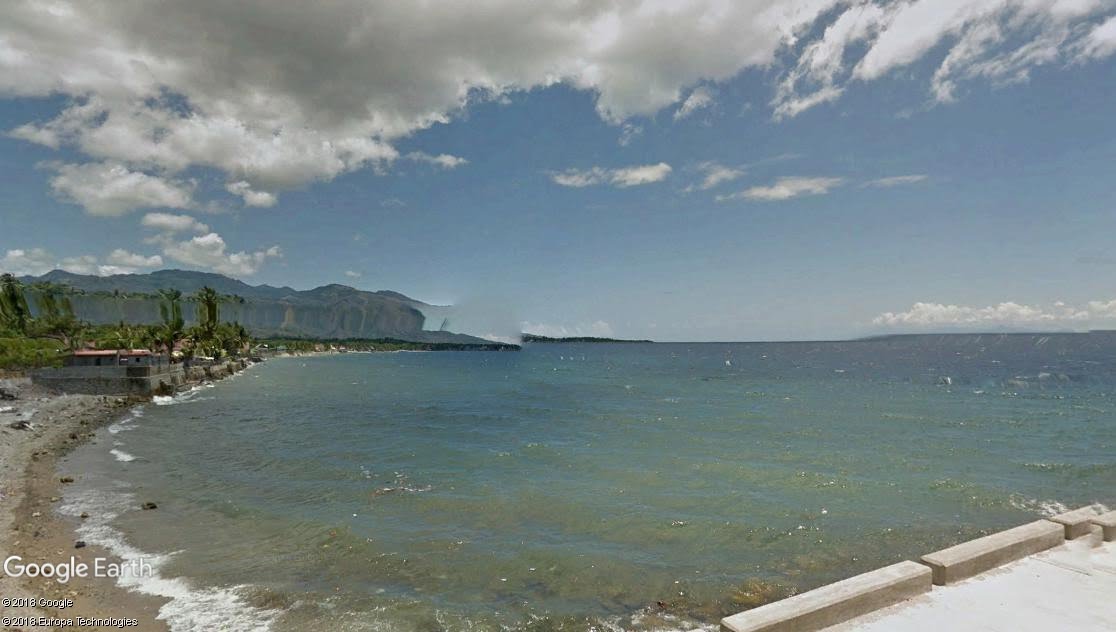
| The coastline of Lobo seen from the wharf. Image credit: Google Earth Street View. |
24 January 2018
Barrios of Batangas Named after Plants and Trees
Batangas must have once been a green paradise; and this was why many of its barrios were named after plants and trees.
-----------------------------------------------------------------------------------
If you enjoyed this article, please click the Like button or share it freely on social media. It helps to pay this site's domain name and maintenance costs.
2017 Batangas Provincial Athletic Meet
A short video on the 2017 Batangas Provincial Athletic Meet hosted by Batangas City.
-----------------------------------------------------------------------------------
If you enjoyed this article, please click the Like button or share it freely on social media. It helps to pay this site's domain name and maintenance costs.
Mga Nakabubuslot na Salitang Batangas
Some really strange words in the Batangas Dialect.
-----------------------------------------------------------------------------------
If you enjoyed this article, please click the Like button or share it freely on social media. It helps to pay this site's domain name and maintenance costs.
Batangas: Province of Greatness 2
Sequel to an earlier video on the men and women who made Batangas a Province of Greatness.
-----------------------------------------------------------------------------------
If you enjoyed this article, please click the Like button or share it freely on social media. It helps to pay this site's domain name and maintenance costs.
Fernando Air Base: Its World War II Roots
A short learning video on the origins of Fernando Air Base in Lipa City.
-----------------------------------------------------------------------------------
If you enjoyed this article, please click the Like button or share it freely on social media. It helps to pay this site's domain name and maintenance costs.
Batangueño 101
Have fun learning words in the Batangueño dialect.
-----------------------------------------------------------------------------------
If you enjoyed this article, please click the Like button or share it freely on social media. It helps to pay this site's domain name and maintenance costs.
Lipa City in Split Seconds
A 60-second video on the sights around Lipa City.
-----------------------------------------------------------------------------------
If you enjoyed this article, please click the Like button or share it freely on social media. It helps to pay this site's domain name and maintenance costs.
Taal 1754: 6 Months of Fire and Brimstone
Documenting the cataclysmic eruption of Taal Volcano in 1754, and how it reshaped Batangas' topography and history.
-----------------------------------------------------------------------------------
If you enjoyed this article, please click the Like button or share it freely on social media. It helps to pay this site's domain name and maintenance costs.
Batangas Drenched in Blood: a WWII Documentary
A short video on the atrocities committed by the Japanese in Batangas during the Second World War.
-----------------------------------------------------------------------------------
If you enjoyed this article, please click the Like button or share it freely on social media. It helps to pay this site's domain name and maintenance costs.
Apolinario Mabini National Shrine and Museum
A short video on the Apolinario Mabini National Shrine and Museum, not under the auspices of the National Historical Commission of the Philippines.
-----------------------------------------------------------------------------------
If you enjoyed this article, please click the Like button or share it freely on social media. It helps to pay this site's domain name and maintenance costs.
Batangas: a Province of Greatness
Meet some of the most outstanding people Batangas has ever produced.
-----------------------------------------------------------------------------------
If you enjoyed this article, please click the Like button or share it freely on social media. It helps to pay this site's domain name and maintenance costs.
Glimpses of Taal
A swing around the Municipality of Taal in less than a minute.
-----------------------------------------------------------------------------------
If you enjoyed this article, please click the Like button or share it freely on social media. It helps to pay this site's domain name and maintenance costs.
Museo ni Miguel Malvar Quick Tour
A quick look at the Museo ni Miguel Malvar in Santo Tomas, Batangas. Well worth the trouble.
-----------------------------------------------------------------------------------
If you enjoyed this article, please click the Like button or share it freely on social media. It helps to pay this site's domain name and maintenance costs.
Galleria Taal Camera Museum
A quick roundabout of Galleria Taal Camera Museum in Taal, Batangas.
-----------------------------------------------------------------------------------
If you enjoyed this article, please click the Like button or share it freely on social media. It helps to pay this site's domain name and maintenance costs.
First Lomi Festival in Lipa, 2010
Documentation of Lipa City's first ever Lomi Festival in 2010.
-----------------------------------------------------------------------------------
If you enjoyed this article, please click the Like button or share it freely on social media. It helps to pay this site's domain name and maintenance costs.
Taal Travelogue
16-minute travelogue on the historic municipality of Taal.
-----------------------------------------------------------------------------------
If you enjoyed this article, please click the Like button or share it freely on social media. It helps to pay this site's domain name and maintenance costs.
Chef Sandy Daza Shooting Food Prints at Panciteria de Lipa
Celebrity chef Sandy Daza shooting an episode of ABS-CBN Lifestyle Network's Food Prints at the Panciteria de Lipa.
-----------------------------------------------------------------------------------
If you enjoyed this article, please click the Like button or share it freely on social media. It helps to pay this site's domain name and maintenance costs.
2012 Ala Eh Festival Parade and Street Dancing (Tanauan)
The color and pageantry of the Ala Eh Festival seen in this short video of the 2012 parade and street dancing held in Tanauan City.
-----------------------------------------------------------------------------------
If you enjoyed this article, please click the Like button or share it freely on social media. It helps to pay this site's domain name and maintenance costs.
Cooking the Pinindot
Cooking the "pinindot," a Batangueño favorite, during a Food Festival held at the SM-City Lipa mall in 2013.
-----------------------------------------------------------------------------------
If you enjoyed this article, please click the Like button or share it freely on social media. It helps to pay this site's domain name and maintenance costs.
Know when each Town of Batangas was liberated from the Japanese in WWII
|
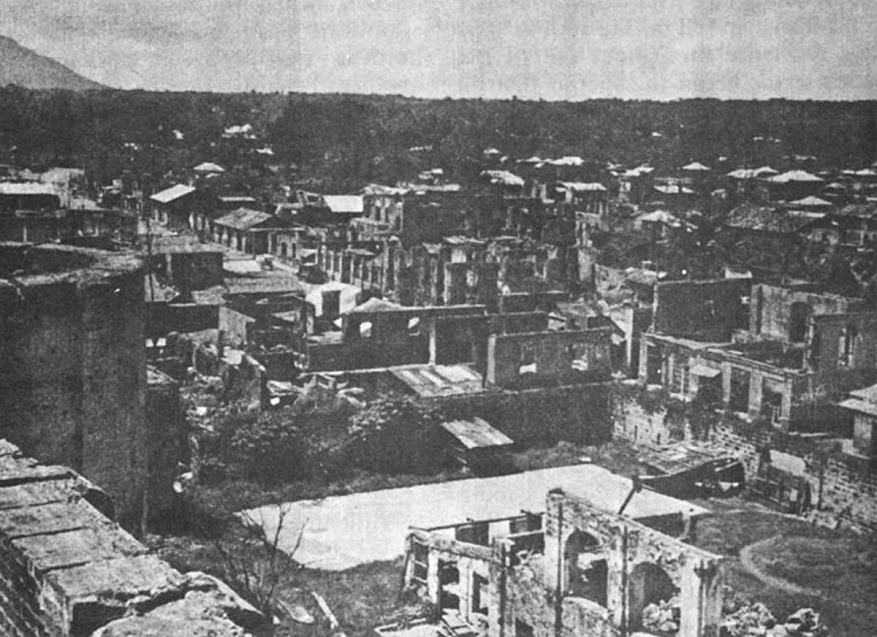
| Lipa was practically reduced to rubble by American planes launched from the USS Hancock. Image credit: US Department of Defense, Wikipedia. Lipa after bombardment in WWII. |
22 January 2018
A Glimpse at Life in Batangas Early in the 1600s
|
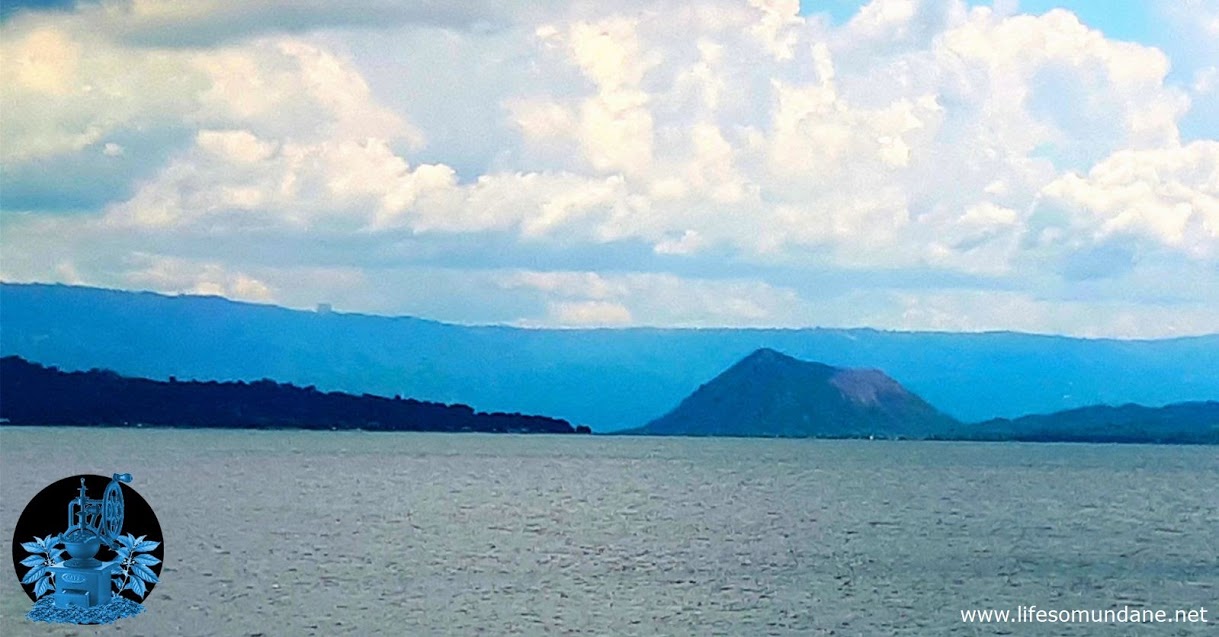
| Taal Lake, formerly Lake Bombon. |
18 January 2018
Eulalio and Glicera Villavicencio of Taal’s Patriotic Ilustrado Class: Funders of the Philippine Revolution
|
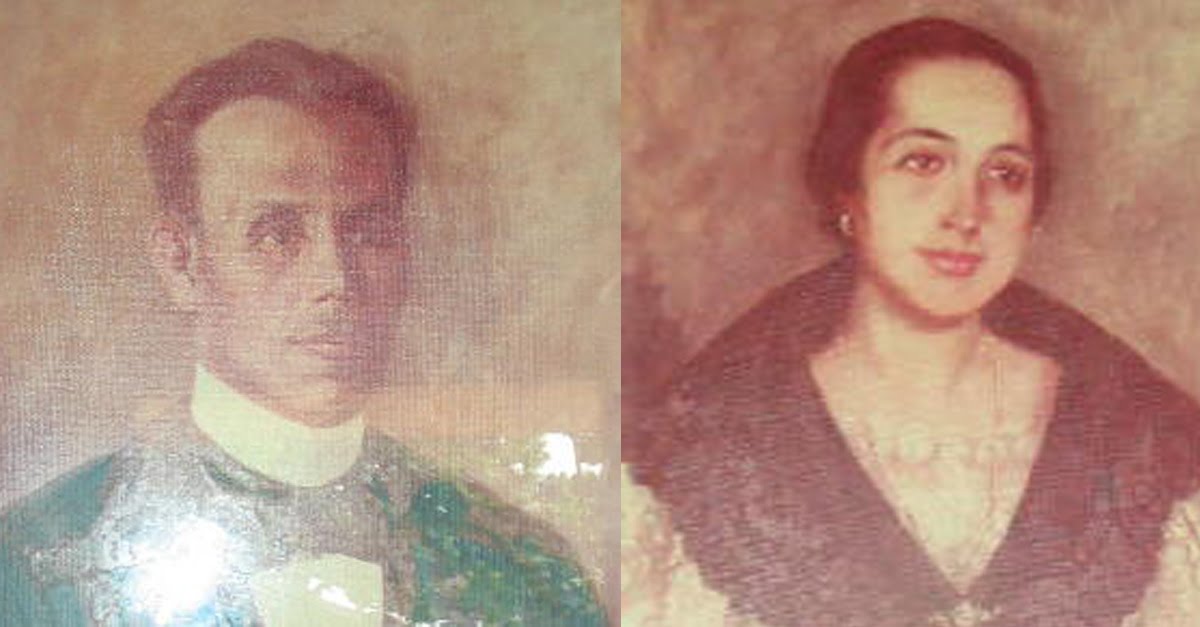
| Image credit: Both photos from Villavicencio-Marella Genealogy;. |


) "Edit")