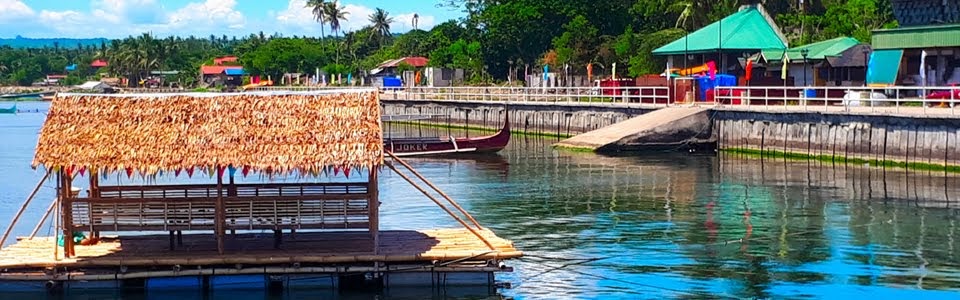
San Nicolas and Santa Teresita: Historic and Folkloric Notes about some of its Barrios

Exploring forgotten stories about the barrios of San Nicolas and Santa Teresita.
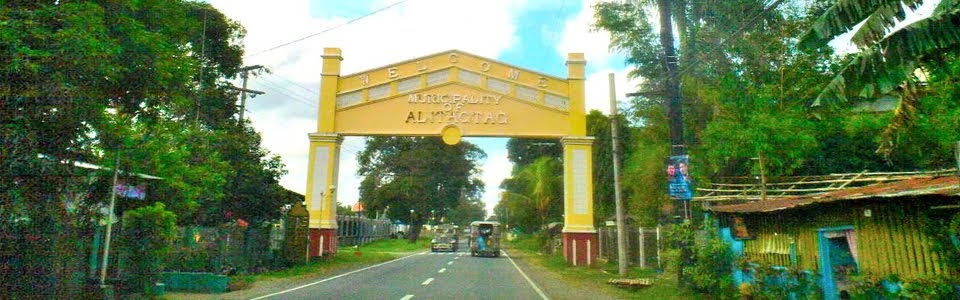
Balandis: the Slanted Houses Along a Road in Cuenca/Alitagtag

Exploring this quaint area in Cuenca and Alitagtag where the houses are slanted away from the road.
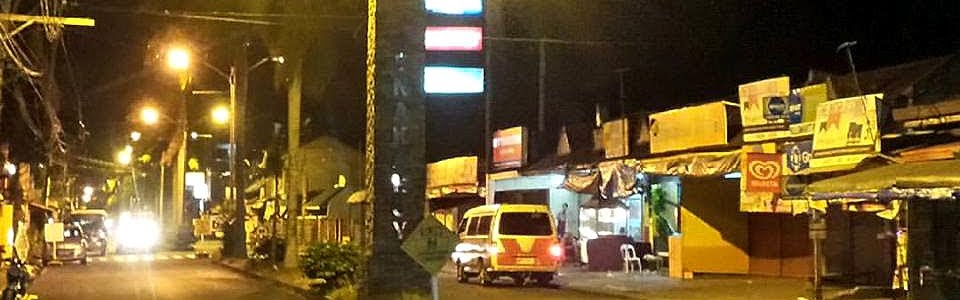
Mataasnakahoy: Historical and Folkloric Trivia about some of Its Barrios

Revisiting obscure barrio histories of the barrios of the Municipality of Mataasnakahoy.
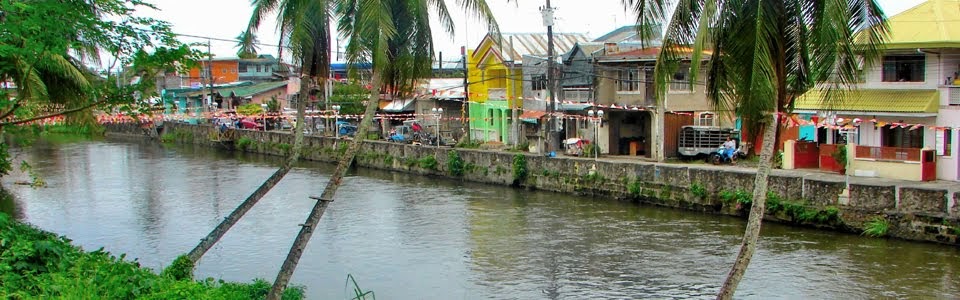
An Old Tourist Spot in Taal Called the Pansipit Fishery

A throwback to a by-gone era, when tourists around Luzon visited this resort in Taal and Lemery.

The Hitchhiker who Gets on at the Zigzag in Cuenca Batangas Lipa

A tall tale familiar to all who drive through this curving road in Cuenca. Is it really a tall tale, though?

07 March 2018

The State of Philippine Railroads in 1902 and American Attempts to Improve It, Including New Lines in Batangas

A train of the Batangas Railways.  Image source:  Posted by user Pinai on the Indonesia v the Philippines discussion board on www.city-data.com.
On 18 March 1902, the United States Senate directed Elihu Root, the Secretary of War, to provide “a statement of the legal and traffic relations between the railroads in the Philippine Islands and as to the charters and ownership of such railroads1.” Root’s reply was succinct, and included this statement which basically summed up the state of Philippine railroads at the time:

06 March 2018

San Juan de Bocboc, Batangas in the 19th Century as Described by a Spanish Historian

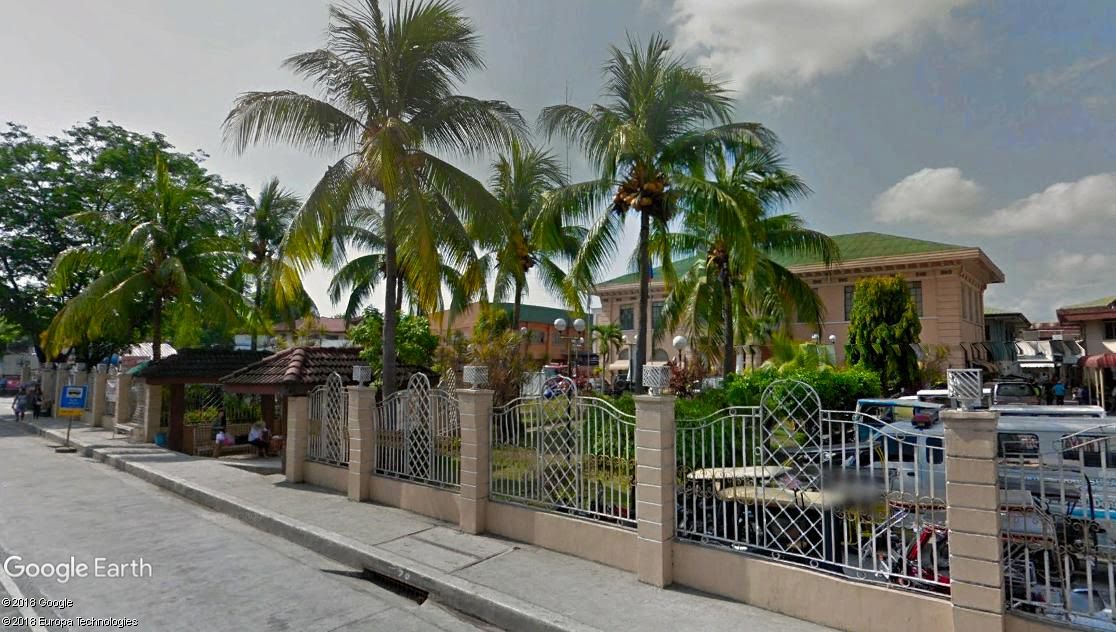
The Municipal Hall of San Juan in the present day.  Image source:  Google Earth Street View.
We move now to the town of San Juan in eastern Batangas, called San Juan de Bocboc during the latter part of the Spanish colonial era, for the continuation of our series on late nineteenth century Batangas towns as described by the Spanish former government official and historian Manuel Sastron. His observations were published in a book entitled “Batangas y Su Provincia,” published in Malabon in 18951.

04 March 2018

The Deadly 1902 Cholera Epidemic in the Philippines, with Special Interest on Its Consequences in Batangas

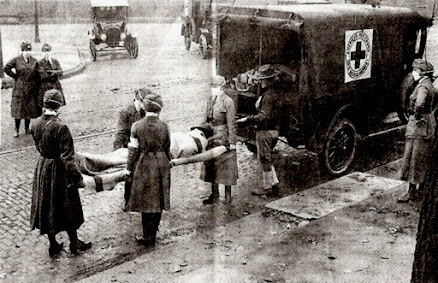
Image by Uncredited photographer for St. Louis Post Dispatch - St. Louis Post Dispatch photo via [1], Public Domain, https://commons.wikimedia.org/w/index.php?curid=6648032.
The disease cholera is an infection of the small intestines that leads to diarrhea, vomiting and muscle cramps. It is caused by a bacterium called vibrio cholera that can be transmitted by unsanitary water or food. Persons infected with the disease may suffer severe dehydration and electrolyte imbalance, which may, in turn, result into death. The mortality rate for the disease is anything from 5% to 50%, depending on the availability of treatment1.